
Romania
- Surface:
- 238391 km2
- Inhabitants:
- 21190154
- Capital:
- Bucharest
Mission
ECM is involved in church planting, evangelism, youth work and social work in Timisoara and in southern Romania.
Vision
The Romanian people are the only Romanesque nation that isn’t Roman Catholic, but Orthodox. Even today the Orthodox Church has much influence in the Romanian society.
These are difficult economical times for Romania. Membership in the European Union hasn’t solved the poverty and many people are emigrating to other countries, especially to Spain, in search of prosperity. The population is aging and whole villages have died out.
In spite of these severe conditions, many Romanian Christians show that God always gives hope for the future. ECM prays that they will grow in number, so this invaluable testimony will be spread through all of the country.
-
Filter:
- Where we work
- Service opportunities
Turn on JavaScript to display the map
-

Jeroen & Marieke Baks
Missionaries -

Alexia C.
Cross Culture Worker in Romania -

Oliver & Doini Crispin
Candidates for Romania -
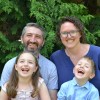
Adi & Jennifer Grocott
First Culture Worker (Adi) & Cross Cultural Worker in Romania (Jennifer) -

Ionel & Simona Morariu
National Missionaries in Romania -
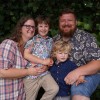
Alex & Liz Preotesea-Wagner
First Cultural Worker (Alex) & Cross Cultural Worker (Liz) in Romania
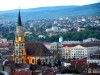
-
ECM Cluster Leader for Romania
- Location:
- Romania
- Type:
- Long term
- Duration:
- 2-5 years, 5 years or more
-
Sharing Christ's Love in Romania
- Location:
- Romania
- Type:
- Long term
- Duration:
- 2-5 years, 5 years or more
-
Children and Youth Worker/Trainer
- Location:
- Timisoara, Romania
- Type:
- Short term
- Duration:
- 6-12 months